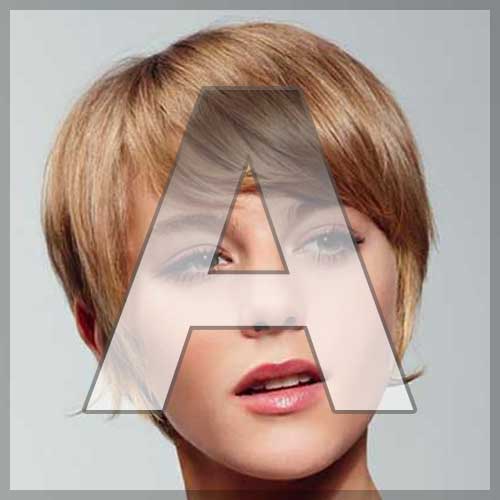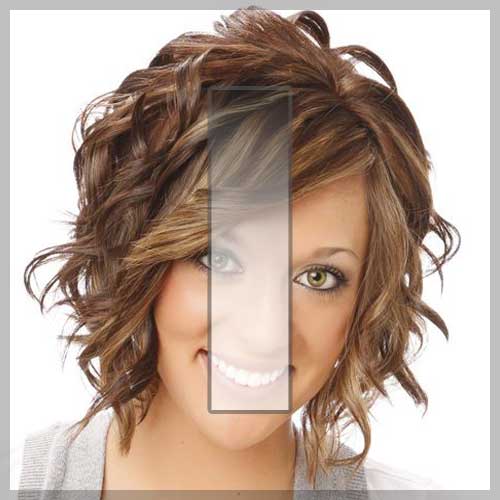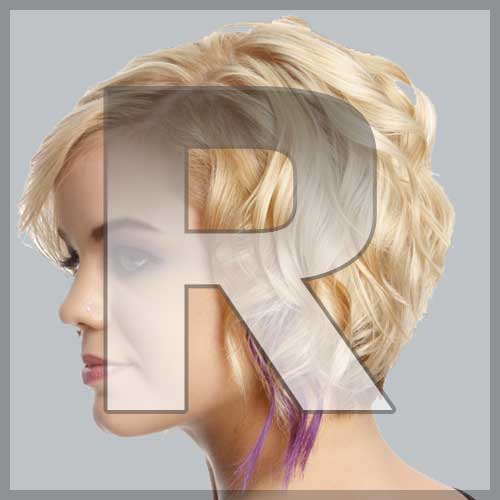





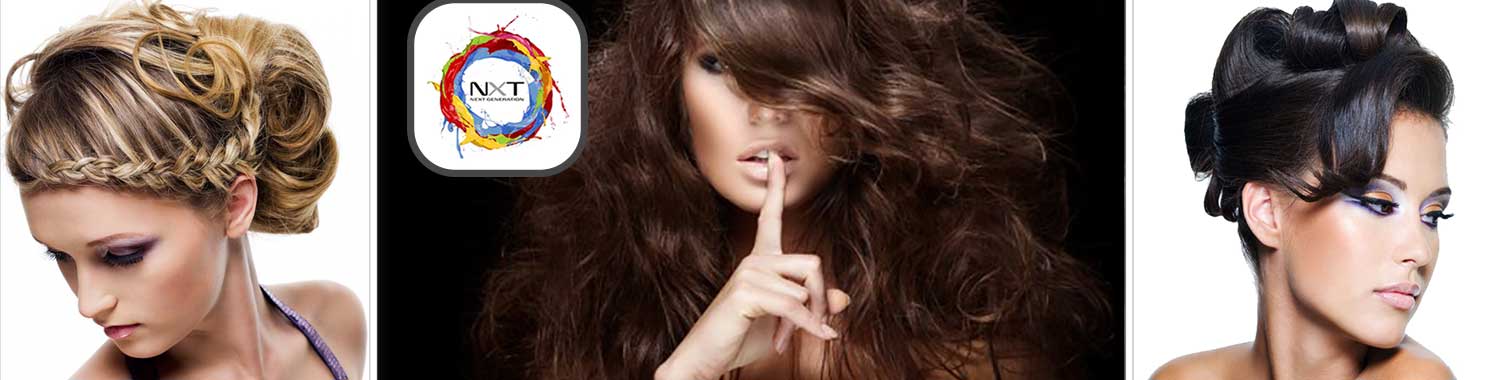
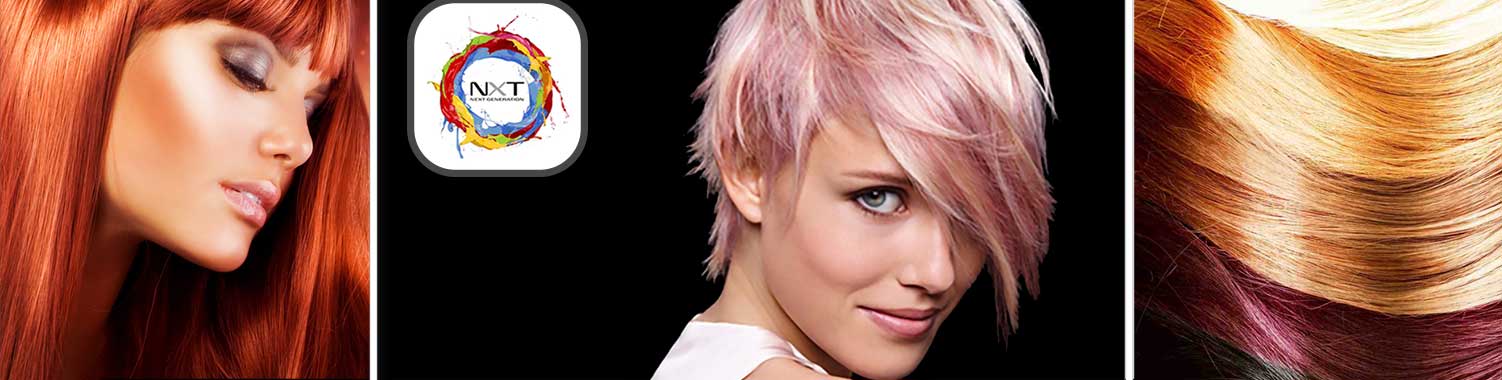
At Innovations hairdressers Evesham we offer exceptional hair colouring, cutting and styling, and outstanding service.
Our philosophy? Hairdressing is not just about technique. It’s as much about listening carefully to our customers to get a deeper understanding of what works for you.
Established in 1998 @ Waterside in Evesham, we are specialists in cutting and colouring, and our expert stylists love to create and innovate. So whether you’re seeking inspiration for your next haircut, or looking for seamless colour, highlights or balayage, we’d love to meet you.
Our hairdressers use only the best products on your hair – Nxt and cromatone colours , all our colours are vegan and cruelty free. Styling ranges by moroccanoil , decode and decode zero by montibello. Our styling ranges are also vegan and cruelty free
For your safety the Innovations Team will wear a masks in the Salon on request.
Every piece of equipment that your stylist may use will be cleaned before your visit. We will be cleaning equipment throughout the day between every client for your safety. We will be using a Covid tested anti-bacterial spray on all surfaces, furniture and mirrors to keep everyone in the salon as safe as possible.


Tina is so lovely and I love my hair after my cut yesterday. Booked in for a colour soon and can't wait to see the end result. Tina has years of experience and I felt completely at ease with her knowledge. Lovely salon, great relaxing environment
Loved having my hair done today by the talented Lisa Ayliffe. Very professional & easy to talk too. At last I feel myself again after a beautiful cut & colour. I'd also like to say how safe & clean everything was during these trying times. Well done girls. 👍
Huge thank you to Lisa for cutting both mine and my daughter’s (3yrs) hair today. Lauren put on her mask outside, had her temperature taken, came in, hand sanitiser, sat down and was happy and completely unfazed by the new set up. Lisa was so calm and kind with Lauren and put her completely at ease. Plus a lovely new haircut xx
I would love to say a huge thank you!! I had my hair done today, understandably nervous going out with the cov 19 situation.
I have never felt so looked after, their duty of care to customers is astounding!!!! social distances, masks, gel and a huge smiley welcome!!!
you guys are amazing and I hope you are treated as well as you treat others ❤️
i was also very pleased with my cut and colour
Lovely hair do for a beautiful Bride from Belgium on Saturday and family. Thank you so much Lisa. Everyone was very pleased with their hair and you only got to see the Bride’s hair the day before! Highly recommend.
I have been going to Innovations for a few years now and I have never had a bad haircut/colour! I can’t thank Lisa enough for the amazing results! 😊😊
I went yesterday to have my hair done. I absolutely love it! Lisa has done an amazing job as always, ive had so many compliments.
Lisa is so lovely, talkative makes the salon experience a great one.
Would definitely recommend.
Thank you again Lisa.xxx
Have had my hair done for years at innovations with Tina always welcomed with a smile very friendly atmosphere always made to fe8el special and you always.offered a cup of tea or coffee..xx 5 stars from me
Absolutely love my hair after a massive change for me thank you!!!! And thank you Heather sale for recommending them! 6hours well worth it!
Went to Innovations yesterday at 5.0 clock and Lisa cut my hair and It feels really good.Thank you.
I came out with my ideal colour and style, exactly as I had asked.
Lisa spent time understanding exactly what I wanted. I am absolutely delighted and can't believe it's my hair!
I've been having my hair cut at Innovations for 20years and have always had excellent service, friendly chatting and my hair looking just as I like it. Thanks Tina! XX
I have been going to Innovations for over twenty years they must be doing something right lol
Not just a haircut , it the smiles and laughter I have with Tina & Nessa everytime I visit them. Even after they've have a long day , just the best ���
I went to innovations a year ago, the first time I had been to a hairdressers in years as was never happy with what I had left with. I entered the salon with dark red dyed curly hair and 6 hours later and dark outside I left with beautiful blonde styled hair. By the time I left and 10 cups of coffee later Tina was still smiling and I was delighted and amazed with the results. I have now moved to Worcester but would go nowhere but innovations. The salon is so friendly and all of the girls make you so welcome. The salons name Innovations is perfect as they are excellent innovators of colour and style xx
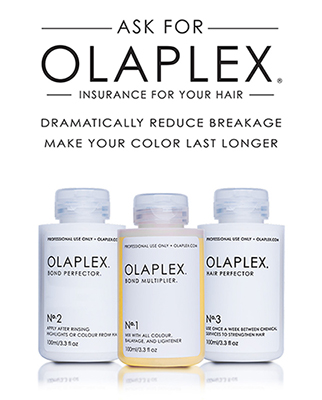
OLAPLEX™ can dramatically eliminate hair breakage. We can colour hair that is dry and damaged and give you hair that is a vibrant colour and in beautiful condition. It reconnects bonds in our hair that have been broken by using heat when styling the hair also chemical process. Permanent curl and colour .
Hair that is damaged and over-processed can be massively improved in just one use with OLAPLEX™, compared to five or six deep conditioning treatments that it would usually take to help restore hair.
This fantastic new service is only available in the most prestigious hair salons in the U.K. so we are absolutely delighted to be offering this at Innovations Hair Salon.
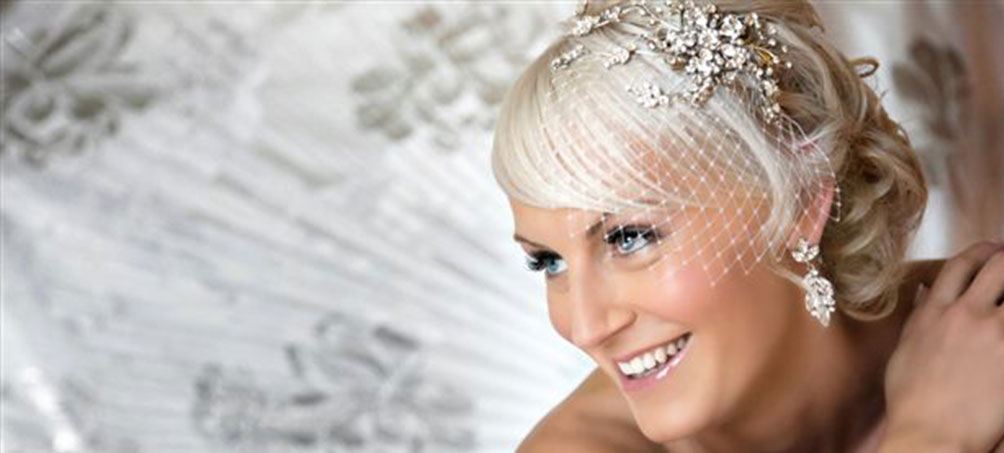
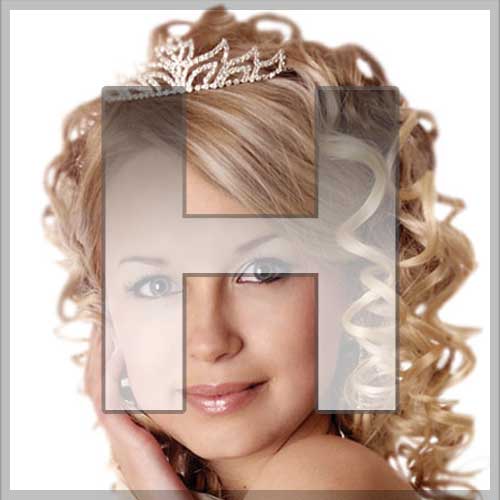
We at Innovations are full of ideas, for your special day and are able to advise styles taking into account style of dress and accessories.
FIND OUT MORE
I know i posted yesterday about not remembering to take a before picture.🤔
But our Lisa did !
Here is a beautiful colour transformation.
She added warmth to washed out colour.
Isn't it beautiI know i posted yalI know i posted yetyI know i postedch#watersiderside

It's our birthday !
Happy birthday to us !
Innovations hairstudio is 28 years old today . 🥳
What a journey we've had, we've had a few ups and downs along the way. But
Mostly its been Amazing.♥️
Thank you to everyone that's made innovations as special as it is!🙏😘
With a very big thank you to my hubby for always being there through the good times and the not so good.♥️
We love what we do and make a great team.
We are passionate about hair and really do love what we do, and are so proud of what we have achieved.✨️
Thank you to all our lovely clients past and present for your continued support over the years .
We wouldn't be here without you!♥️
Awww thank you all so much ! We really are feeling the love today 💕
Happy Birthday to you all 🎉🍾
Happy Birthday, I have been coming to you for 20 years 🍷🎉🎂x x
Happy birthday ladies x
Oh I remember my work experience here! Lovely place! Happy anniversary guys! ❤️
Congratulations 🎉
Happy Birthday 🎂 🥳 🎉 🎈
Happy Birthday Innovations.You are a great team. XX
Happiest birthday you lovelies xxxxxx
Happy Birthday ladies ❤️
Happy birthday x
Happy Birthday ladies xxx
Happy Birthday 🎂 🥳
Happy birthday x
Happy birthday lots of love Stylers xx
Happy birthday lovely ladies
Happy birthday ladies xxxx
Congratulations 🥂 here’s to another 28 years Happy Birthday Innovations 😊xx
A very happy birthday.
Happy birthday to you all from us A/A. Xx
Happy Birthday! Xx🥂🥂
Happy Anniversary!
Aw many congratulations to you all xx
Hello lovely peeps.💕
How are you all doing?
Sorry i Haven't posted in a while, we've all been working hard and playing hard.
Summer is always such a busy time for us.
What a summer we have had!
How did you all cope in the heat?
We found it a ' tad warm ' in salon 🥵
Thought i would post a few of our pro pics.
Just a little reminder of what we do. 💇♀️😊💕
See you all soon.
Love Tina ,lisa and Nessa xxx
From washed out to bright red.
Beautifully coloured by our Nessa
Red hair don't cFrom washed out toerFrom washed out ttiFrom waedFrom washer#innovationshaircreatoreator
Loving the red x
The results of our poll to name our duck.
Are 🥁🥁🥁🥁🥁
Shampy Set!
Thank you Debbie West Was Malin for choosing the name.🐤
Whoop whoop thanks everyone for choosing Shampy Set ❤️ 🦆 let's hope he wins now xxx
So lovely peeps.
The choice is yours.
What name are you going to choose to call our Duck ?
So it seems some of the other ducks racing on the 15th August have names.
What do you think our duck should be called ?
Some really great names here ! Keep them coming please 🙏 xx
They are both great names !! We might have to do a poll 🤔 😅
Nova
D has suggested fab hair dont care 🙈😹
Feathered Frizz 🫣
Hairlery
Ducky mcduckface
Shampy Set
Beakyonce, the duck with good hair!
Purple rinse betty xx
Here we go again ! Reigning champions ! 🏆🐥
This content isn't available right now
When this happens, it's usually because the owner only shared it with a small group of people, changed who can see it or it's been deleted.
From One length one colour to a beautiful choppy cut adding in lots of red slices.
Thus Adding dimension to this gorgeous look.
#blackandred
#creativehair
#daretobedifferent
#lovewhatwedo
#justgorgeous
Love it xxx
Pretty bridal hair 🌼with flowers 💐
Soft and feminine.
#haircreatedbylisa
#bridal
#waterside
#weddinginspiration